5KW Portable X-Ray Machine: Practical On-Site Diagnostic Cases for Small Animal Veterinary Clinics
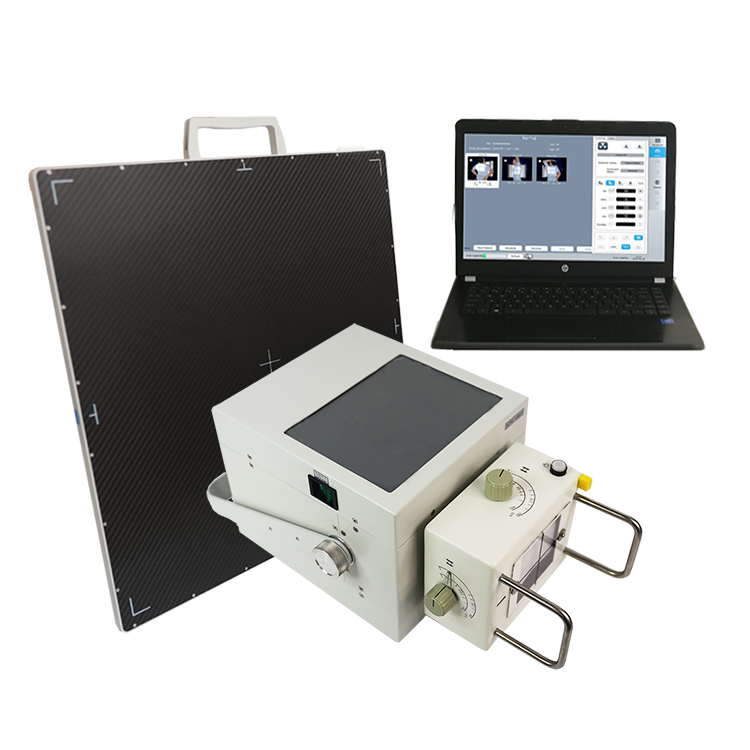
When small animal vet practices hunt for flexible, cost-effective radiography gear to handle out-clinic house calls and limited-space in-house exams, the 5KW portable X-ray unit has turned into a go-to device for dozens of local pet hospitals across small towns and suburban animal care centers. Unlike bulky fixed DR X-ray systems locked inside dedicated radiology rooms, this compact 21-kilogram handheld X-ray generator lets veterinarians deliver timely imaging services right where sick pets stay, solving long-standing pain points for small-scale vet businesses
focused on cats, small dog breeds, rabbits and exotic pocket pets.
Case 1: Emergency Fracture Check for Indoor Cat After Fall from High Furniture
A neighborhood cat clinic based in a residential suburb ran into an after-hours emergency call last winter: a 3-year-old British Shorthair had fallen from a three-story home balcony, refusing to stand on its right hind leg and crying sharply with every gentle touch. The pet owner could not load the scared, painful cat into a car for a clinic trip due to the feline’s severe stress and possible hidden spinal injury.
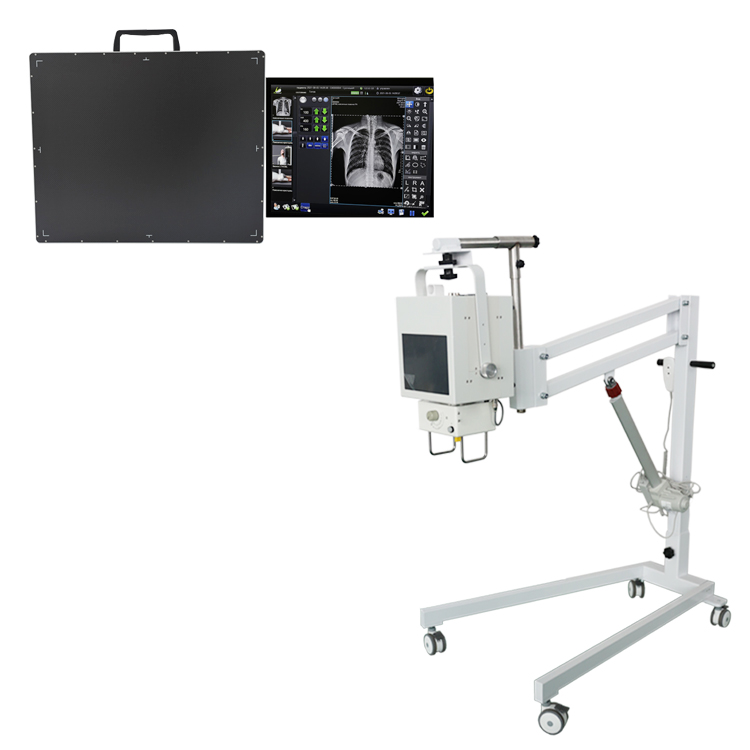
The attending vet packed the 5KW portable X-ray machine into a regular vehicle and headed straight to the client’s house. Thanks to the unit’s compact 37×26×23cm body and built-in handgrip handles, one single veterinarian easily carried the whole generator upstairs without extra moving staff. Setting up took less than eight minutes on the family’s living room floor, paired with a portable DR flat panel detector compatible via the equipment’s adjustable digital interface.
Vets picked 55KV and 50mA working parameters suited for a medium-sized domestic cat, with an exposure time of 0.06 seconds to cut down movement blur from the injured, restless pet. Clear radiographic images instantly confirmed closed tibial fracture plus minor soft tissue swelling around the joint, ruling out fatal pelvic or spinal bone damage. Based on the real-time DR scan result, the vet gave on-site pain injection and temporary leg splint before arranging scheduled in-clinic orthopedic surgery three days later. The owner later mentioned avoiding risky bumpy car transport was the biggest relief for their traumatized cat.
Case 2: Pocket Pet Gastrointestinal Foreign Body Screening for Dwarf Rabbit
Exotic small animal cases always bring unique imaging challenges for local vets, especially tiny pets like dwarf rabbits weighing under 2kg. One regular client brought their 1.8kg Netherland Dwarf rabbit with persistent loss of appetite and bloated abdomen after accidentally ingesting dry cotton bedding two days prior. The rabbit panicked violently whenever placed on standard fixed X-ray tables at the clinic, making traditional stationary radiography impossible without heavy sedation that carried high heart risk for fragile exotic mammals.
The clinic’s technician pulled out the 5KW portable X-ray unit to complete the exam inside the rabbit’s familiar breeding cage. Its adjustable KV range from 40KV perfectly matched ultra-small pet imaging needs; operators set 42KV, 32mA with short 0.03s exposure to minimize radiation dosage on the tiny creature. Three different shooting angles used the machine’s remote exposure trigger, keeping staff far away from scattered radiation while stopping unnecessary rabbit restraint stress. Final X-ray films pinpointed dense cotton blockage inside the rabbit’s stomach cavity, helping the vet decide fast on gentle medicinal laxative treatment instead of invasive emergency laparotomy. Within five days of follow-up feeding management, the rabbit fully recovered its normal eating habits.
Case3: Home Visit Radiography for Elderly Disabled Small Breed Dog
Senior dogs with severe arthritis or neurological degeneration often cannot endure bumpy car rides to veterinary facilities, a common trouble for many senior pet owners. A 12-year-old Pomeranian with advanced degenerative joint disease could barely walk, its elderly owner unable to carry the 3kg dog down apartment stairs for regular spine checkups. Instead of forcing stressful transport, the local animal hospital scheduled monthly home radiography visits with their 5KW portable X-ray equipment.
Field operations leveraged three available exposure control modes of the machine: handheld trigger for quick limb scans and remote wired switch for full spinal imaging, letting vets adjust positions slowly alongside the resting dog on its usual sofa cushion. Operators chose 70KV and 63mA settings optimized for small canine bone density, with mAs value locked at 3.78 to balance image sharpness and safe radiation exposure for the aged pet’s fragile organs. Periodic X-ray tracking helped veterinarians tweak anti-inflammatory medication dosages accordingly, effectively slowing down progressive spinal calcification and greatly improving the Pomeranian’s daily mobility quality over six months of follow-up visits.
Core Equipment Advantages Verified from Real Small-Animal Usage
All three on-location pet diagnostic cases fully validate the practical merits of this 5KW portable X-ray machine for small animal practice. Built around ≥30kHz high-frequency PWM inverter technology, the equipment maintains steady high voltage output to produce crisp, detail-rich bone and soft tissue images critical for accurate small pet diagnosis. Its built-in fault self-check and overvoltage protection function has avoided unexpected breakdowns during multiple urgent after-hours house calls over a year of clinic usage, cutting down costly on-site equipment malfunction risks. Meanwhile, flexible digital programming interfaces enable seamless pairing with most mainstream DR flat panel brands on the pet medical market, letting small vet clinics upgrade their digital radiography workflow without replacing existing digital detectors to save equipment renovation budgets.
For startup small animal clinics and mobile vet service teams focusing on cats, toy dogs, rabbits and other miniature pets, lightweight portable 5KW X-ray equipment continues to fill the gap between high-cost fixed DR rooms and low-quality film-based portable radiography, becoming a practical investment to expand home-visit diagnostic business and boost overall clinic service competitiveness.