Camp managers needed a machine that could handle rough conditions, run on generator power, and produce clear images quickly. Previous attempts with portable film systems failed: heat and humidity ruined films, and results took days to process. Workers often skipped screenings rather than wait, putting their health at risk.
-
Built for tough environments and easy transport
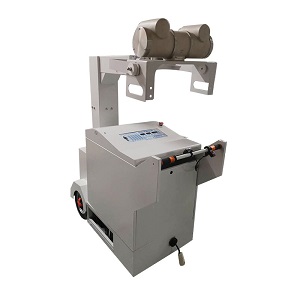
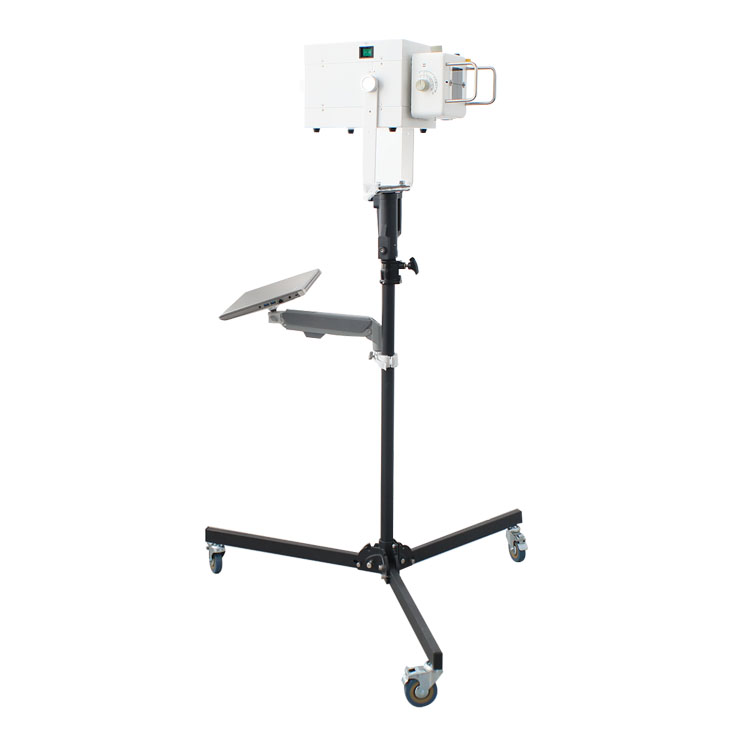
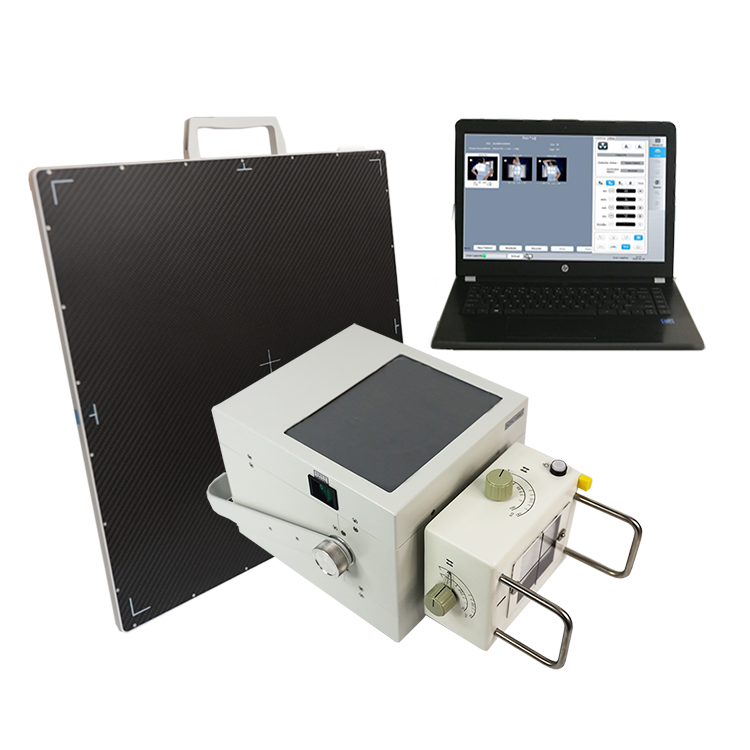
The rugged, compact design stood up to the camp’s dust, heat, and humidity. The wheeled cart made it easy to move between barracks, and the wireless detector eliminated tangled cables that got caught on equipment and debris.
-
Flexible power and settings for every patient
The 220V input worked with the camp’s generators, and the PWM inverter kept the output stable even with voltage drops. The wide mA (32–100mA) and kV range let technicians adjust for different body types, producing sharp images with low retake rates. The short exposure times (0.01–6.3s) also meant less risk of motion blur with nervous or uncooperative patients.
-
Safety and reliability when support is far away
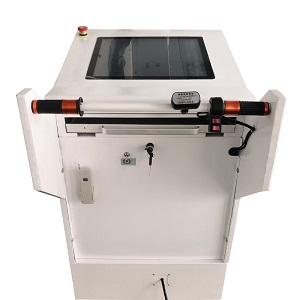
The self-protection and fault-diagnosis features prevented damage from power surges, a common issue in remote camps. Staff could troubleshoot basic issues using the on-board interface, avoiding costly repairs or downtime. The multiple exposure modes also meant the team could work efficiently even in small, crowded exam spaces.
-
Seamless integration with existing systems
The flexible digital interface let the camp’s medical team connect the detector to their laptops and share images with urban specialists for remote reviews. This eliminated the need to send workers to the city for confirmations, cutting both time and travel costs.
In its first year of use, the 5KW Mobile DR screened over 500 workers at four remote camps. Early detection of occupational conditions allowed for timely treatment, and fewer workers had to leave their posts for exams. The camp also saw a drop in no-shows for screenings, as workers could now get their tests done in minutes during work hours.