Key Role of Portable DR in ICU and Emergency Rescue
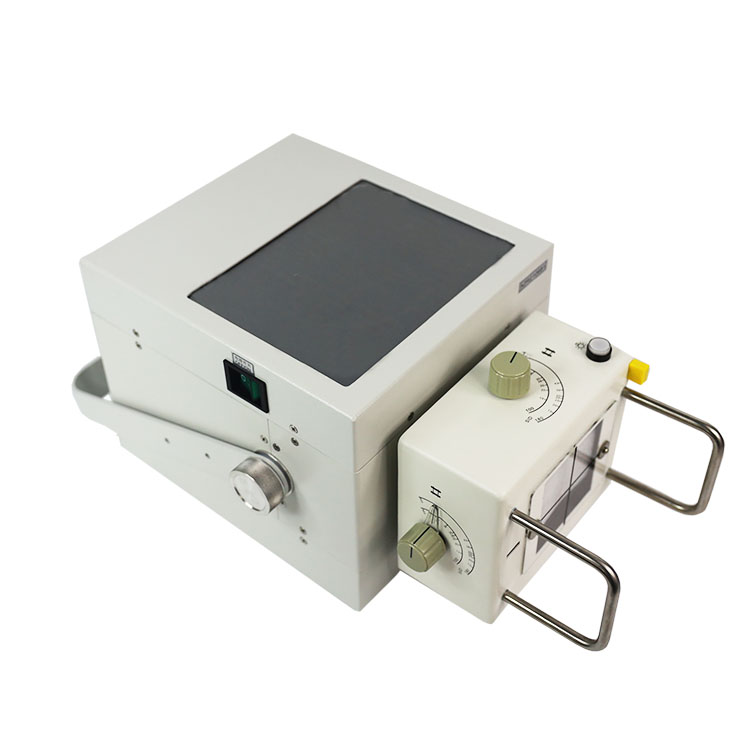
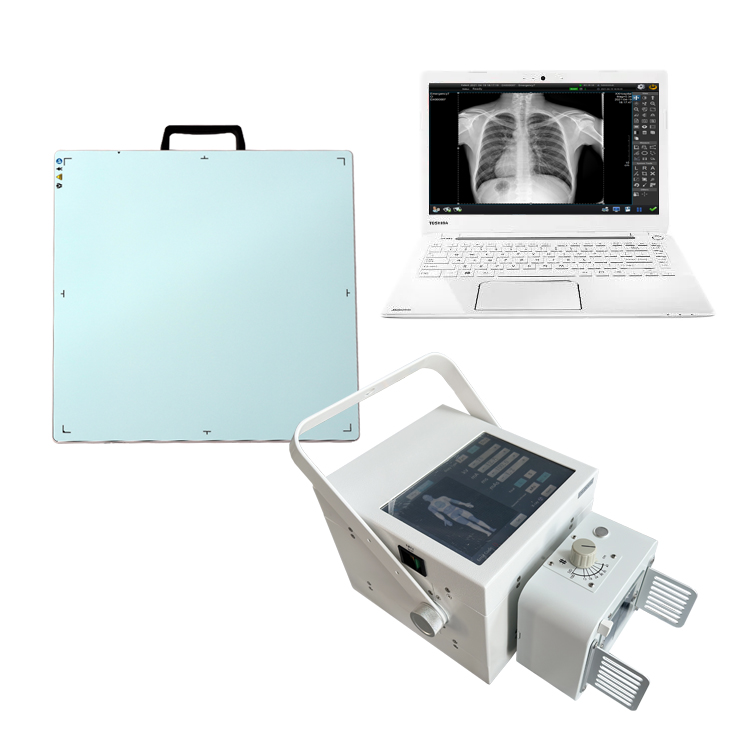
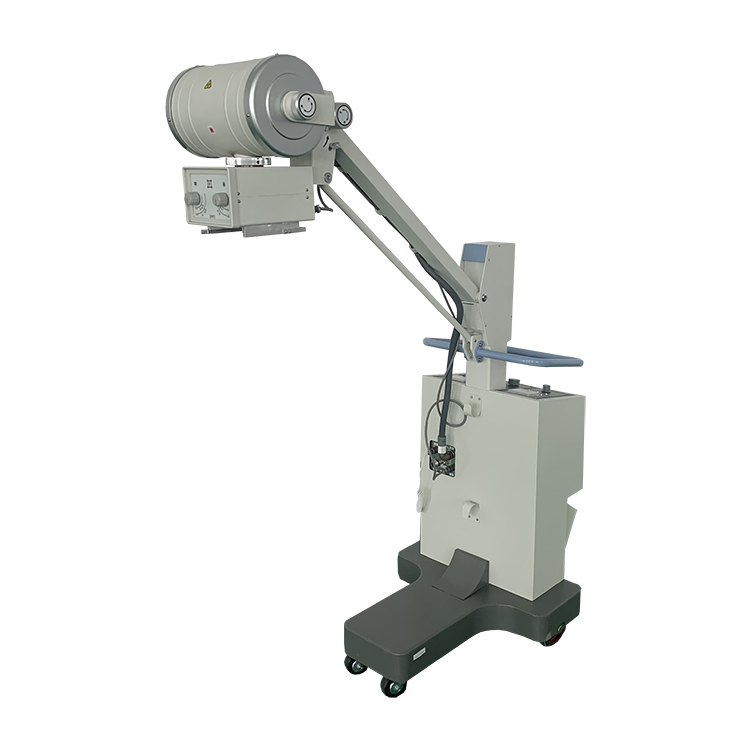
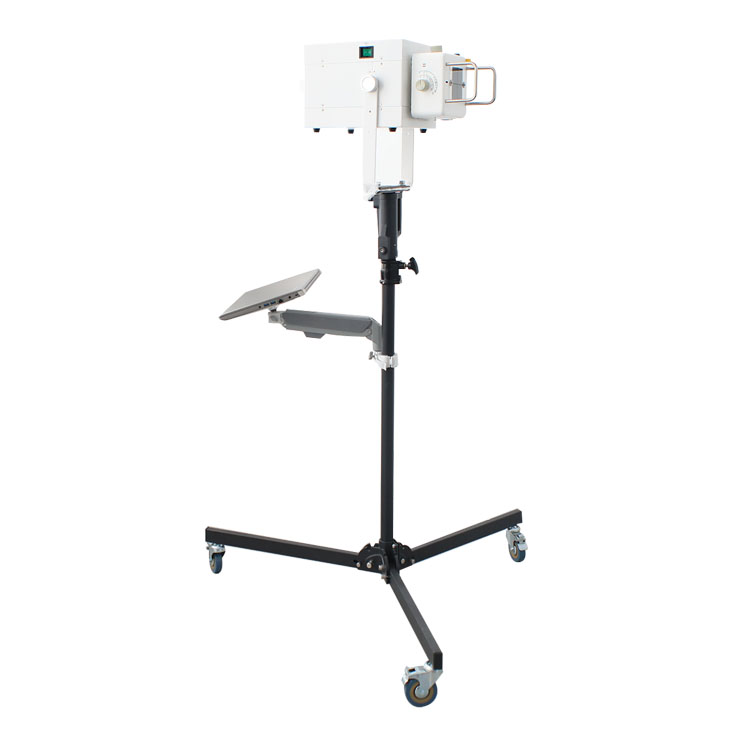
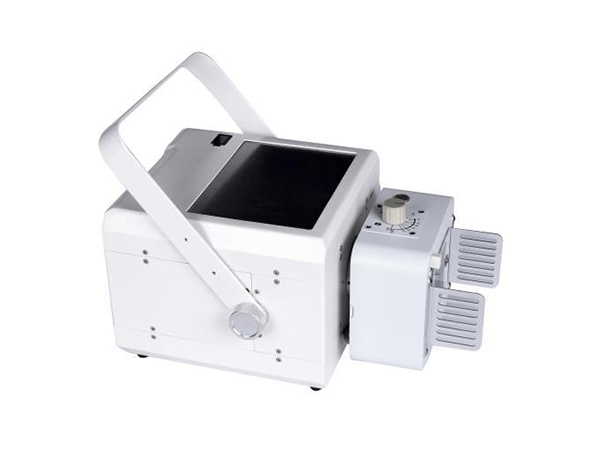
In enclosed ICU wards and time-critical emergency resuscitation rooms, space constraints and transfer limitations of conventional fixed DR systems have repeatedly become hidden obstacles in the treatment of critically ill patients. Today, portable Digital Radiography (Portable DR), featuring lightweight design, high mobility and strong adaptability, completely breaks the scenario boundaries of imaging examinations. It delivers high-quality X-ray diagnostic capabilities directly to patients’ bedsides, serving as a “mobile imaging lifeline” supporting the treatment of acute and critical illnesses.
I. Shift from Moving Patients to Moving Equipment, Effectively Avoiding Fatal Risks During Patient Transfer
For critically ill ICU patients on invasive ventilators with unstable circulation, as well as emergency patients suffering from multiple traumas or severe craniocerebral injuries, transferring them to the radiology department for radiography carries extremely high risks. Incidents such as catheter displacement, sudden deterioration of vital signs and infection exposure may occur during transit. Every transfer consumes the fragile physiological reserves of patients.
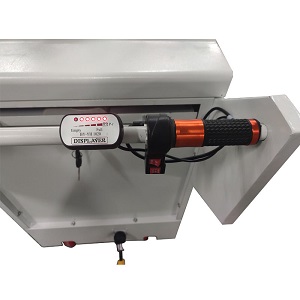
Portable DR fundamentally addresses this pain point. With its compact body and lightweight structure, it can flexibly navigate narrow ward corridors and gaps between hospital beds. Comprehensive imaging of the chest, abdomen, bones and joints can be performed without moving patients. Clinical data shows that bedside examinations with Portable DR reduce transfer-related adverse events among critically ill patients by over 60%. Imaging procedures that once took dozens of minutes can now be finished within minutes, securing precious golden time for resuscitation.
II. Dynamic Imaging & Intelligent Analysis to Upgrade the Accuracy of Bedside Diagnosis
Traditional bedside imaging is plagued by limited functions and insufficient information from static radiographs, failing to meet the demands of refined diagnosis and treatment for acute and critical conditions. The new generation of Portable DR transcends simple static radiography. Equipped with dynamic fluoroscopy technology, it captures real-time movements of pulmonary respiration and diaphragmatic motion, and accurately quantifies core clinical indicators including pulmonary ventilation area and changes in pleural effusion.
In daily ICU practice, clinicians can utilize Portable DR to dynamically monitor the absorption of pulmonary infection, evaluate the rationality of mechanical ventilation settings, and obtain vital imaging evidence for ventilator weaning prediction. In emergency multiple trauma management, it enables rapid multi-site whole-body scanning to detect life-threatening injuries such as occult fractures, pneumothorax and free intraperitoneal gas at the earliest stage, preventing missed diagnosis and delayed treatment. Some advanced models adopt low-dose high-definition imaging technology, which greatly reduces radiation exposure without compromising diagnostic accuracy, fully meeting examination requirements for sensitive populations including the elderly, children and pregnant women.
III. Visualized Guidance for Interventional Procedures, Ending the Era of Blind Puncture
Numerous invasive operations for acute and critical care once relied solely on clinicians’ experience for blind puncture due to the lack of real-time bedside imaging support. Such procedures were time-consuming and associated with high risks of tissue injury and malpositioned catheters. Modern Portable DR integrated with dynamic fluoroscopy provides full visualized guidance for operations including PICC catheterization, central venous catheterization, thoracic drainage and pericardiocentesis.
Clinicians can observe the puncture path and catheter position in real time during procedures and make adjustments in one step, greatly shortening operation duration and cutting the incidence of related complications by nearly 50%. In mass casualty incidents with multiple trauma patients, multiple Portable DR units can be deployed simultaneously to conduct rapid preliminary screening for a large number of casualties within a short period, quickly triaging critically injured patients requiring emergency surgery and substantially boosting the efficiency of emergency workflows.
From routine condition monitoring in the ICU and rapid triage of mass trauma patients in the emergency department, to precise guidance for bedside interventional procedures, Portable DR has evolved from supplementary equipment in the radiology department into an irreplaceable core component of the acute and critical care system. It extends imaging diagnosis to patients’ bedsides. With mobile and intelligent technology, it builds a solid lifeline for every patient in critical condition.