The team’s old film system was slow, heavy, and required a generator and darkroom setup that was nearly impossible to move across steep trails. Patients waited hours for results, and many left before getting their diagnosis. Staff also struggled with inconsistent power, which ruined images and forced retakes.
-
True portability that fits the terrain
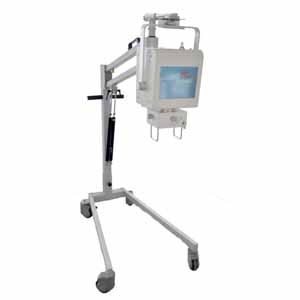
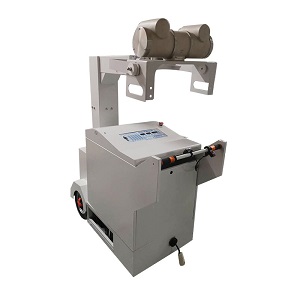
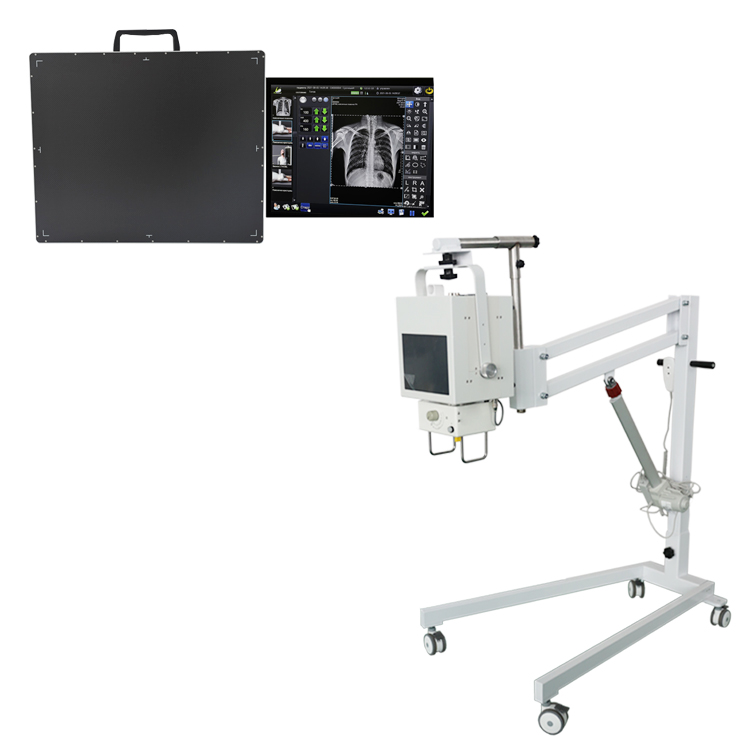
At just 21kg, the 5KW unit and its wireless flat panel detector fit easily into backpacks and jeeps. The compact generator assembly (37×26×23cm) meant the team could set up in a school classroom or community hall in minutes, no special room required.
-
Fast, reliable power and stable output
The high-frequency inverter technology (≥30kHz) delivered a steady high-voltage output, even with fluctuating 220V power from local grids or generators. The 40-110kV range and 0.32–315mAs settings let them fine-tune exposures for both pediatric and adult patients, reducing retakes to almost zero.
-
Three ways to shoot—no room for error
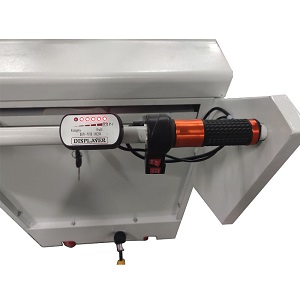
Remote control, hand switch, and on-unit button controls meant the technician could stay far from the beam, even in crowded spaces. The fault self-diagnosis feature alerted them to any issues before they affected the exam, a critical safety feature in areas with no repair support.
-
Instant digital results for faster care
With the flat panel detector, images appeared on the laptop in seconds. The doctor could read them on-site, talk to the patient right away, and even send files to a city hospital for a second opinion via satellite internet. For TB patients, this meant starting treatment the same day instead of waiting weeks for film results.
Impact on the Community
In just two weeks of camps, the team screened over 300 people, identified 12 new TB cases, and started treatment immediately. Patients no longer had to travel days to the nearest hospital for an X-ray, and the team could see more villages per trip.