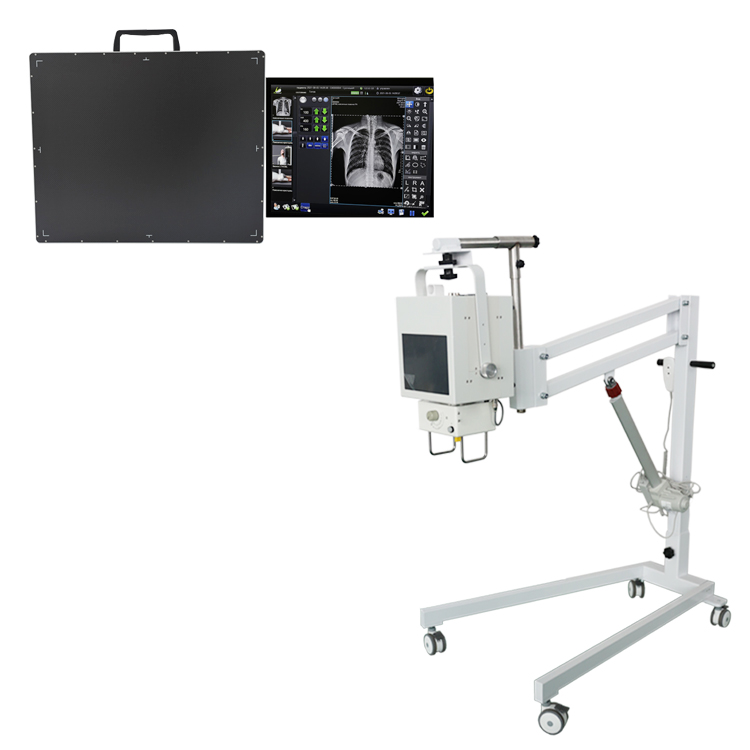
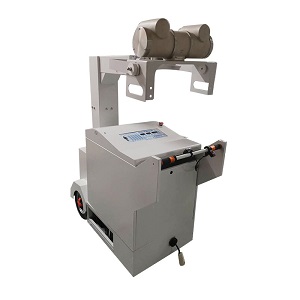
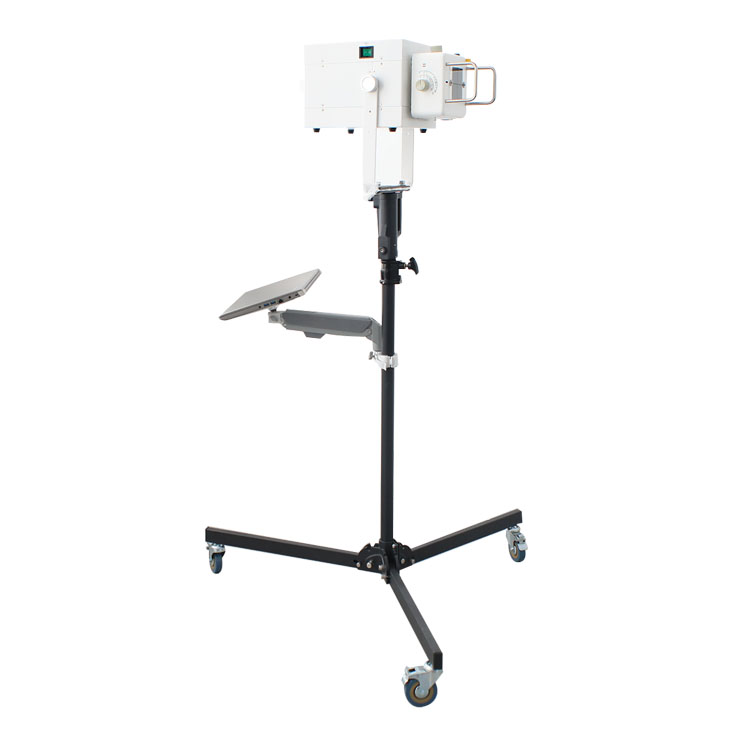
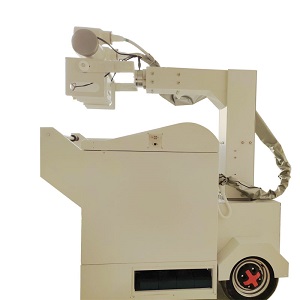
Lead Glass: Critical Safety Partner for Mobile X-Ray Machines
When it comes to medical imaging, the focus is often on the clarity of the diagnostic image itself. However, behind every safe X-ray procedure lies a critical component that protects both staff and patients from unnecessary radiation exposure:
lead glass. For mobile X-ray machines, which bring radiation into diverse, sometimes less controlled environments, lead glass is not just an accessory—it is an essential part of the safety system.
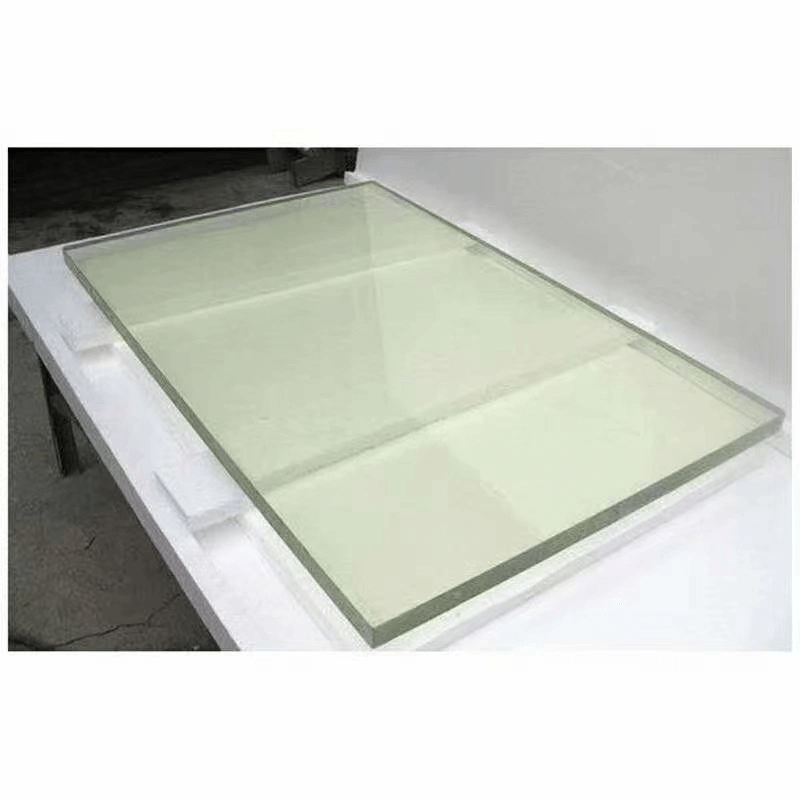
The Core Purpose of Lead Glass in Radiography
Lead glass is a specialized protective material designed to solve a unique problem: it blocks harmful ionizing radiation while maintaining clear visibility. Unlike lead walls, which are opaque, lead glass allows radiology teams to observe patients during exams without stepping into the direct beam path.
Key features of our lead glass include:
- Proven Attenuation: With 0.22mmPb of protection per millimeter, our lead glass (available in 2mmPb+ customizable grades) effectively absorbs scattered and stray radiation.
- High Clarity: Offering over 85% transparency, it ensures no compromise on visibility, which is critical for accurate patient positioning.
- Versatile Form: Customizable sizes and light yellow-tinted composition make it suitable for windows, protective barriers, and viewports in any X-ray environment.
This combination of protection and visibility is what makes lead glass indispensable in medical settings.
Why Mobile X-Ray Machines Depend on Lead Glass
Mobile X-ray machines bring imaging to patients in wards, emergency rooms, or clinics—environments where fixed protective walls are not available. This mobility creates unique safety challenges, and lead glass is the primary solution.
1. Staff Protection in Open Environments
Unlike fixed radiography rooms with full lead-lined walls, mobile units are used in open wards or near other patients. Lead glass panels, installed as viewports or portable barriers, allow technicians to stay outside the direct beam path while still observing the procedure. This drastically reduces their cumulative radiation exposure, a critical factor for long-term occupational safety.
2. Patient Safety and Confidence
For patients who are bedridden, in critical care, or in a shared room, lead glass provides a protective shield that minimizes their exposure to scattered radiation from the mobile unit. Additionally, being able to see the technician through the lead glass barrier can reduce anxiety, especially for pediatric or distressed patients.
3. Synergy with Collimators for Maximum Safety
The collimator on a mobile X-ray machine narrows the primary beam to the target area, reducing scatter radiation. Lead glass works hand-in-hand with this feature:
Key Applications Beyond Mobile X-Rays
While critical for mobile radiography, lead glass is a versatile safety solution used across many high-radiation environments:
- CT Scanning Rooms: Observation windows that protect staff during scans.
- Airport Security: X-ray machine viewports for baggage screening.
- Industrial Inspection: Protective windows for non-destructive testing.
- Research Labs: Viewports for radiation experiments.
Its durability and effectiveness make it a standard in any setting where radiation is present and visibility is required.
Important Installation & Handling Notes
To maintain its protective performance, lead glass requires proper care:
- Brittle Material: Always handle with care to avoid cracks or chips that can compromise protection.
- Seal Joints: When installing around viewports, use anti-radiation coating to seal gaps and prevent radiation leakage.
- Environmental Protection: Rich in lead and barium, lead glass is vulnerable to acid and moisture. Store and install in dry, neutral environments to prevent degradation.
Conclusion: Investing in Safety with Lead Glass
Mobile X-ray machines provide life-saving flexibility, but their mobility demands robust safety measures. Lead glass is the silent guardian in these scenarios, offering the critical balance of radiation protection and visibility. For any facility using mobile radiography equipment, high-quality lead glass is not just a purchase—it is an investment in the long-term health and safety of staff and patients alike.