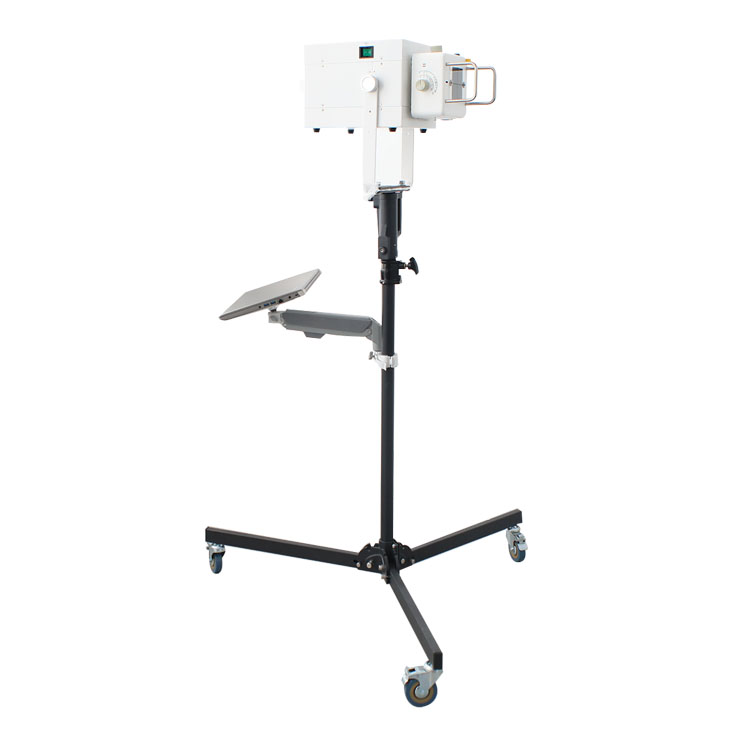
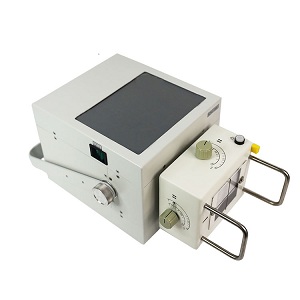
Lead Gloves: Essential Hand Protection for Mobile X-Ray Procedures
When using mobile X-ray machines, protecting the hands of radiology staff from scattered radiation is just as critical as shielding the rest of the body.
Lead gloves are a core component of this safety system, designed to block harmful X-rays while maintaining the dexterity needed for patient care.
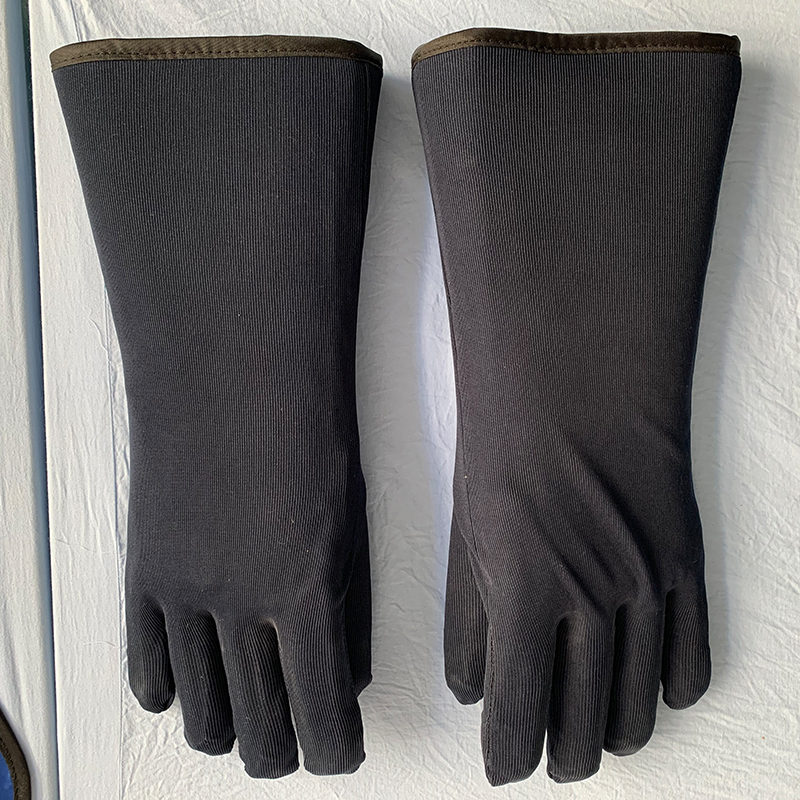
Core Function & Key Features
Our lead gloves are engineered to balance protection, durability, and usability for clinical settings:
- High-Level Radiation Shielding: With a lead equivalent of up to 0.5mmPb (customizable), these gloves effectively absorb scattered X-rays up to 120KV, preventing cumulative radiation exposure that can lead to long-term health risks.
- Durable, Lightweight Build: Made with a PU outer layer and high-quality light lead rubber core, they are built to withstand daily use while remaining flexible enough for tasks like adjusting the collimator, positioning patients, or handling equipment.
- Customizable Options: Available in standard blue, with custom colors and lead equivalents to match your facility’s specific safety requirements.
Why Lead Gloves Are Non-Negotiable for Mobile X-Ray Work
Mobile radiography takes place in open wards, emergency rooms, and clinics where staff cannot always step behind fixed lead walls. Here’s why lead gloves are essential:
- Continuous Scatter Protection: Even with proper collimation, scattered radiation is present around the X-ray beam. Lead gloves block this stray radiation, protecting hands—one of the most exposed parts of the body—during every procedure.
- Precision and Safety: The flexible design allows technicians to safely adjust the mobile X-ray machine, position patients, or handle detectors without removing protection.
- Long-Term Occupational Safety: Regular use of lead gloves reduces the risk of chronic radiation exposure, helping staff meet regulatory safety standards and protect their long-term health.
Proper Care & Maintenance
To ensure lead gloves remain effective for their full service life:
- Storage: Hang gloves on a lead hanger after use; do not fold them, as repeated folding can cause cracks in the lead rubber core.
- Cleaning: Rinse with a low-concentration detergent, scrub gently with a soft brush, and air-dry in a ventilated area. Avoid direct sunlight, heat sources, and exposure to acids or alkalis.
- Inspection: Check for cracks or damage before each use. Lead gloves must be inspected every 4–5 years; discard immediately if more than one-third of the surface shows damage, as they will no longer meet safety standards.
Conclusion
Lead gloves are more than just protective gear—they are a critical part of the safety protocol for any mobile X-ray setup. By blocking scattered radiation while allowing full dexterity, they keep staff safe and procedures running smoothly, no matter where imaging takes place.